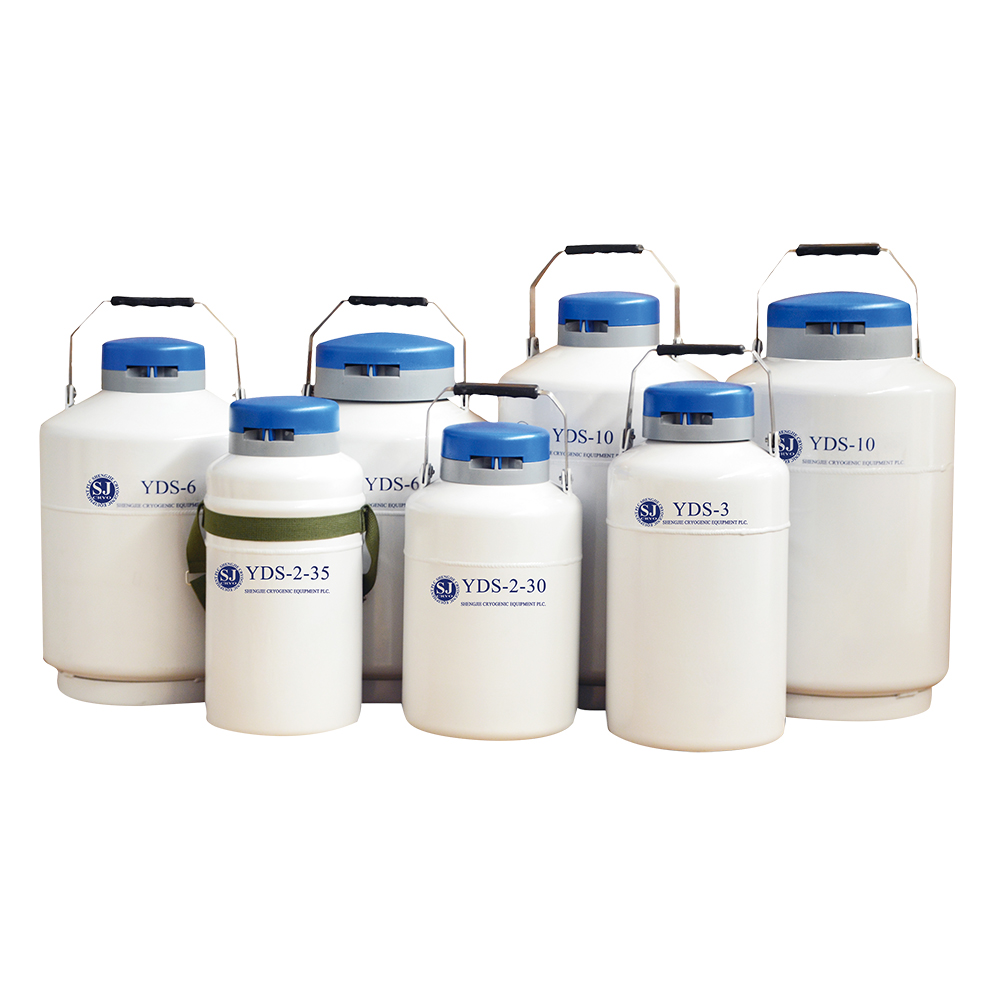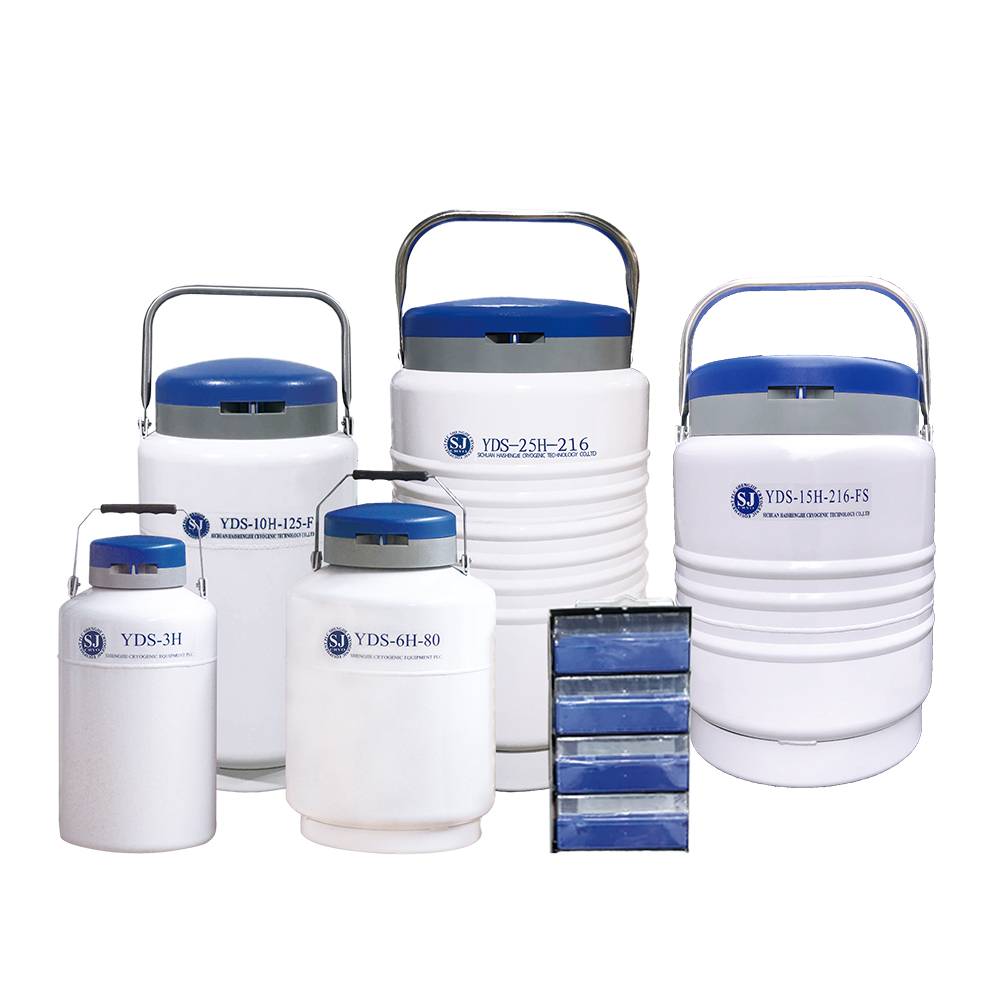
Liquid Nitrogen Dewar Tank: Features and Benefits Explained

By:Admin on 2026-05-25 01:52:49

Certainly! Please provide the news content about the Liquid Nitrogen Dewar Tank and the company introduction you would like me to use. Once I have that information, I can write an 800-word news article for you.

Read More

Advanced Cryogenic Liquid Tank Technology Enhances Storage Efficiency in China

By:Admin on 2026-05-18 01:52:52

**China Advances Cryogenic Liquid Tank Technology to Boost Industrial Applications**In a significant leap for China's industrial and technological sectors, advancements in cryogenic liquid tank technology have been making waves, promising to enhance storage and transportation of liquefied gases essential for various industries. Cryogenic liquid tanks, critical for maintaining ultra-low temperatures required to store substances such as liquefied natural gas (LNG), liquid oxygen, and liquid nitrogen, are witnessing innovative developments that underscore China's commitment to self-reliance and cutting-edge engineering.### Enhancing Cryogenic Storage SolutionsCryogenic liquid tanks are specialized containers designed to hold liquefied gases at extremely low temperatures, often below -150°C. These tanks find widespread applications across energy, medical, and chemical industries—supporting everything from clean energy infrastructure to medical oxygen supplies. The recent breakthroughs in cryogenic tank manufacturing in China reflect improved materials, insulation techniques, and safety features, designed to ensure stability, durability, and operational efficiency.Key to these advancements is the implementation of multi-layer insulation and vacuum technology, which greatly minimize heat transfer, thus preserving the low temperatures necessary for cryogenic fluids. Also, innovations in lightweight yet robust structural materials contribute to enhanced mobility and ease of transportation, which is pivotal for both domestic distribution and international export logistics.### Meeting Growing Demand Across SectorsChina’s expanding energy needs and industrial diversification drive demand for advanced cryogenic storage solutions. LNG, heralded as a cleaner alternative to coal and oil, necessitates reliable cryogenic tanks for infrastructure projects supporting liquefied gas delivery. The rollout of these new tanks fortifies China’s strategic push towards greener energy, aiding in the reduction of carbon emissions.Similarly, the healthcare sector’s reliance on medical oxygen has surged globally, especially amid the COVID-19 pandemic. Enhanced cryogenic tanks ensure a steady and safe supply of liquid oxygen. Chemical manufacturing and food preservation industries also benefit from improvements in cryogenic storage capacity and safety.### Company Profile: A Leading Innovator in Cryogenic Technology[Company Name] (name omitted) stands at the forefront of China’s cryogenic liquid tank innovation. Established with a vision to revolutionize storage and transportation technologies, the company leverages decades of expertise, integrating state-of-the-art research and manufacturing capabilities.The company specializes in designing, producing, and servicing a diverse range of cryogenic containers, including vacuum-insulated tanks, portable dewars, and large-scale storage vessels. Its comprehensive portfolio caters to sectors such as energy, medical, aerospace, and industrial gases, reflecting versatility and adaptability.With a commitment to quality and safety, the company strictly adheres to international standards and certifications, ensuring products endure rigorous testing protocols. It incorporates advanced automation and precision engineering in production lines, enhancing product reliability and efficiency.### Domestic and Global ImpactThe innovation in cryogenic liquid tanks spearheaded by this leading Chinese manufacturer has substantial implications. Domestically, it strengthens China’s industrial infrastructure, reduces dependency on imported technologies, and stimulates the high-tech manufacturing ecosystem.Internationally, the company’s products are exporting Chinese technological prowess, gaining recognition in global markets where safety, cost-effectiveness, and durability are paramount. Collaborations and partnerships with foreign enterprises further amplify technology exchange and market penetration, positioning China as a key player in the cryogenics industry.### Future OutlookThe trajectory of cryogenic liquid tank technology in China signals a promising future. The ongoing integration of smart monitoring systems and IoT-enabled devices promises real-time management of storage conditions, boosting efficiency and safety.Moreover, environmental sustainability remains a core focus, with research underway to develop eco-friendly insulation materials and energy-saving production techniques. These efforts align with China’s broader environmental goals and global commitments to carbon neutrality.As industrial demands evolve and technology advances, China’s cryogenic liquid tank industry is poised not only to support national development but also to contribute significantly to global industrial and environmental progress.---In conclusion, the strides made in cryogenic liquid tank technology reflect China’s dynamic approach to innovation and industrial modernization. Through the dedication of leading enterprises and strategic technological investments, cryogenic storage solutions are becoming more efficient, reliable, and globally competitive, marking a new chapter in China's industrial achievements.

Read More

Is Ice Cream a Solid or Liquid? Exploring the Science Behind Its Texture

By:Admin on 2026-05-11 01:53:00

**Is Ice Cream a Solid or a Liquid? Exploring the Science Behind Your Favorite Treat**Ice cream has long been a beloved dessert around the world, enjoyed by people of all ages for its creamy texture and sweet flavors. But have you ever stopped to think about its physical state? Is ice cream a solid or a liquid? This question, which might seem simple at first glance, actually opens the door to an intriguing exploration of food science and material properties.### What Exactly Is Ice Cream?Before delving into its physical state, it’s important to understand what ice cream fundamentally is. Ice cream is a frozen dessert made primarily from dairy products such as milk and cream, combined with sweeteners and flavorings. During the freezing process, it also incorporates air, creating a light and smooth texture.The key to ice cream’s unique consistency lies in its complex composition: it is neither a true solid nor a simple liquid. Instead, ice cream is classified as a **complex colloidal system** that behaves in distinct ways depending on temperature and handling.### The Solid vs. Liquid DebateAt room temperature, ice cream quickly melts, which naturally makes us associate it with a liquid state. However, when frozen at typical freezer temperatures (around -18°C or 0°F), ice cream behaves like a solid. It holds its shape in scoops, can be cut or bitten into, and does not flow freely.From a scientific perspective:- **Solid characteristics:** Ice cream contains ice crystals that form a rigid network, giving it structure and firmness. The fat droplets and air bubbles trapped within this network further contribute to its solid feel.- **Liquid characteristics:** Even in its frozen state, a significant portion of ice cream consists of a concentrated sugar solution and unfrozen water, which allow it to be somewhat soft and pliable rather than hard and brittle.This duality makes ice cream an example of a **viscoelastic material** — a substance that exhibits both viscous (liquid-like) and elastic (solid-like) properties. When you scoop ice cream, it deforms under pressure but maintains its overall shape until heated enough to melt completely.### Scientific Insights: Ice Cream's MicrostructureThe microstructure of ice cream plays a crucial role in determining its physical state. It contains microscopic ice crystals, air bubbles, fat globules, and a freeze-concentrated serum phase rich in sugars and proteins.- **Ice Crystals:** These provide the solidity, but their size matters significantly. Large crystals lead to a coarse texture, while smaller crystals result in smoother ice cream.- **Air Cells:** Incorporated during the churning process, air bubbles lighten the texture and improve scoopability.- **Fat Droplets:** Cream and butterfat form a network that stabilizes the air bubbles and ice crystals, contributing to the consistency.- **Serum Phase:** This unfrozen phase remains viscous and lubricates the ice cream, allowing it to soften in the mouth pleasantly.Understanding this composition helps food scientists optimize textures and enhance the eating experience while balancing the stability and melt resistance of ice cream.### Practical Considerations for Consumers and ManufacturersFor consumers, knowing ice cream’s unique physical nature explains why it is so enjoyable but also why it requires careful storage. Leaving ice cream out at room temperature too long causes it to melt due to its liquid components, while refreezing melted ice cream can lead to crystal growth and a loss of creaminess.Manufacturers continuously work to perfect the balance of ingredients and processing techniques to create ice cream that resists excessive melting yet remains soft enough to scoop easily. This involves controlling the size of ice crystals, fat content, and overrun (amount of air).### {Company Introduction}Founded with a passion for delivering quality frozen treats, {Company Name} has established itself as a leader in the ice cream industry. Leveraging decades of research in food science and state-of-the-art manufacturing processes, the company crafts ice cream that delights taste buds while maintaining superior texture and melt resistance.{Company Name} prides itself on using premium ingredients and innovative techniques to produce ice cream that captures the perfect balance between solid and liquid states. Their commitment to quality has earned them recognition and loyalty among ice cream lovers worldwide.Through constant innovation, {Company Name} remains at the forefront of exploring how ingredient formulation and processing impact the physics of ice cream — ensuring consumers enjoy a consistent, indulgent experience in every scoop.### ConclusionSo, is ice cream a solid or a liquid? The answer: it is both. Ice cream’s unique structure makes it a fascinating viscoelastic material that combines solid ice crystals and fat networks with liquid sugar solutions and air pockets. This composition is what gives ice cream its distinctive texture and mouthfeel, setting it apart from many other foods.Whether you prefer classic vanilla, decadent chocolate, or adventurous new flavors, the next time you enjoy your favorite scoop, remember you're experiencing a remarkable culinary creation that is scientifically a blend of solid and liquid states — a true frozen marvel.For anyone passionate about ice cream or curious about food science, understanding this complex dessert is both delicious and enlightening. And thanks to innovators like {Company Name}, that perfect scoop continues to become better every day.---*Note: Brand names were omitted from the main text to maintain neutrality and focus on ice cream's physical properties and the company's role in innovation.*

Read More